Merino Wool Care Guide
Simple care. Long-lasting comfort.
Merino wool is a natural, breathable fibre that performs beautifully
with the right care. Follow these simple tips to keep your garments looking and
feeling their best.
✓ Washing Your Merino
- Wash before first wear to remove loose fibres and set the fabric (Expect slight shrinkage of 3–5%)
- Machine wash on a gentle or wool cycle
- Use cold or warm water only
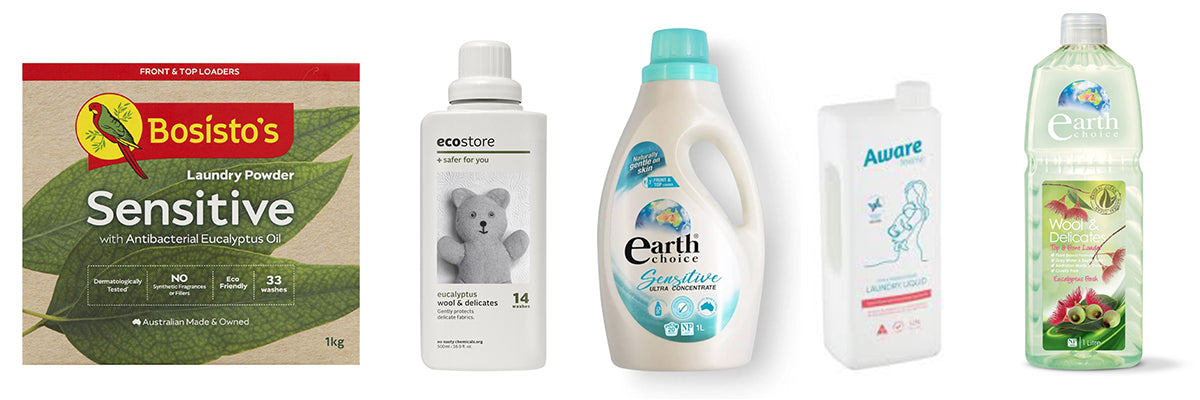
- Always use a wool-safe, pH-neutral detergent
✗ Avoid
- Enzyme (“bio”) detergents
- Bleach (chlorine or oxygen-based)
- Optical brighteners or “whitening” products
- Heavy-duty detergents (e.g. Omo, Biozet, Radiant)
- Laundry sheets (often contain enzymes)
✓ Extra Care Tips
- Wash with like colours
- Turn garments inside out where possible
- Wash separately or use a laundry bag to avoid zips and fasteners
- Do not soak, bleach, or dry clean
Need help choosing a detergent? See our Recommended Wool Detergents
Europe, UK & USA Detergents as recommended by Woolmark
☀Drying
- Line dry where possible
- Tumble dry low heat only (not recommended for underwear – can damage elastic)
- Remove while slightly damp to avoid over-drying
Merino dries quickly, a dryer is rarely needed
Freshen Between Wears
One of Merino’s biggest benefits is that it doesn’t hold odour
- Air garments between wears
- Hang in the bathroom during a shower for a natural steam refresh
If it’s not dirty, don’t wash it - less washing = longer garment life
✂ Everyday Maintenance
Repairs and Mending
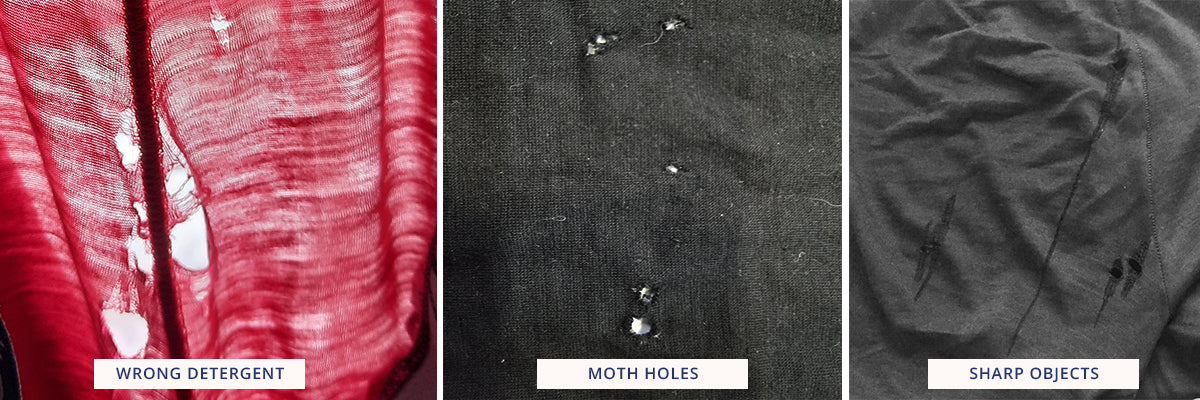
If you do find little holes or damage to your wool garments, it is really important to mend them straight away. Jersey fabrics can unravel and get bigger as well as ladder. Here are some tips to mend damage caused by bugs and wear and tear:
Loose threads
- Do not pull
- Carefully trim with sharp scissors (leave a small 2–3mm end)
Small holes
- Repair early to prevent laddering
- Small holes (<5mm) can be fixed easily with needle and thread or bonding
- Use a ballpoint needle & stretch stitch if sewing by machine
Large Holes
If the hole is larger than 5mm, you can use a darning technique to mend the fabric by interweaving with a needle and thread.
The sooner you repair, the longer your garment will last. Click here to read more about Common Causes of Holes in Merino Clothing and Underwear & How to avoid them
Pilling
- Wash before First wear to reduce pilling.
- Pilling can occur from friction (e.g. underarms, between thighs, flannelette sheets).
- Remove pilling gently with a fabric comb or masking tape.
🌢Stains (Act Fast)
- Rinse immediately in cold water
- Use a mild soap if needed
- Avoid heat until stain is completely removed
The sooner you treat a stain, the better the result
|
Stain Type |
Removal Method |
|
Alcohol |
Dab with cloth soaked in warm water + rubbing alcohol |
|
Blood |
Sponge cold water + dab white vinegar |
|
Butter/Sauces |
Scrape excess, dab with white spirit |
|
Coffee/Tea |
Dab with white spirit, follow with vinegar solution |
|
Fruit/Red Wine |
Dab with alcohol + water (3:1) |
|
Grass |
Gently dab with surgical spirit |
|
Ink |
Dab with white spirit, follow with vinegar |
|
Lipstick/Makeup |
Use turpentine or mild soapy water |
For more details, visit the Woolmark Stain Removal Guide.
Colour and Shrinkage
- Wash with similar colours
- Fabric may shrink slightly (3–5%) — this is normal
- Fabrics are dyed in Australia and meet high safety standards
StoringYour Merino
- Store clean and dry.
- Avoid long-term exposure to air or light.
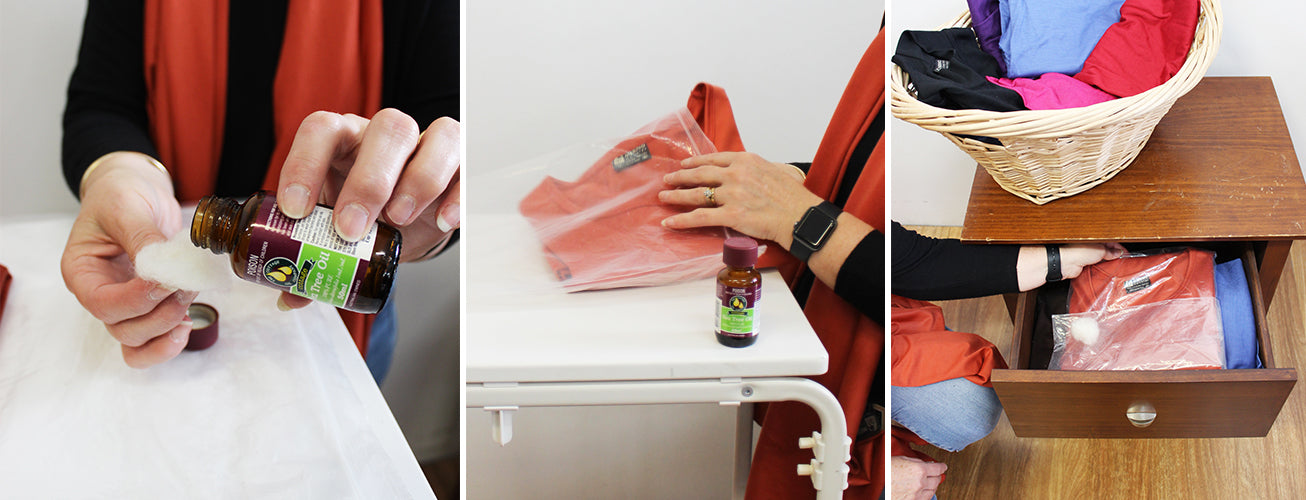
- Use sealed bags or containers.
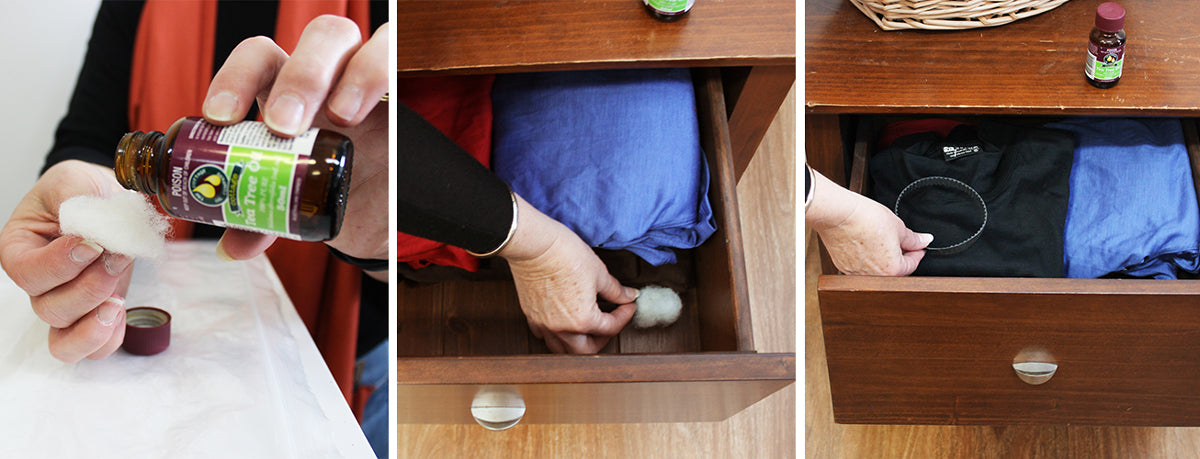
- Add lavender, eucalyptus, or tea tree oil on cotton balls to deter insects.
- Try freezing or sun-heating sealed storage before long-term packing.
- Break the insect cycle and try Cats' Flea Collars or Moth Traps
Merino Wool is a protein and in certain conditions bugs will eat it. Do not leave unwashed wool garments, particularly underwear, lying around for excessive periods of time in the laundry basket.
More tips: How to Store Merino Clothing | Moth Traps & Natural Repellents
Short Term Storage
If you have problems with moths and other critters or are storing your merino garments try putting a cat's flea collar or a dab of tea-tree oil on a cotton ball in your cupboards & drawers to keep them away.
Long Term Storage
When storing them away long term -put in a sealed bag or container. Before you put them away put the sealed bag in either the sun or deep freeze - this should stop those pesky critters!
✈︎ Travelling with Merino
- Lightweight, breathable, and wrinkle-resistant
- Roll instead of fold to minimise creases
- Hang garments on arrival (steam in bathroom helps release wrinkles)
Handy tip: shampoo or a simple soap bar works for washing while travelling
Need help?
Frequently Asked Questions
 Washing Your Merino
Yes. Washing before first wear helps remove any loose surface fibres from the knitting and finishing process and allows the fabric to settle. This can also help reduce pilling.
A small amount of shrinkage (around 3–5%, barely noticeable) is normal for our Merino fabric. Following the care instructions (gentle cycle, correct detergent, low heat) will minimise this.
Always use a gentle or wool cycle with cold or warm water. These cycles reduce agitation, which protects the fibres and helps maintain shape.
Yes, hand washing in lukewarm water with a wool-safe detergent is perfectly fine and very gentle on your garments.
Use a wool-safe, pH-neutral detergent. These are specifically designed
to protect wool fibres and maintain softness. See our recommended list.
Standard and “bio” detergents contain enzymes and harsh chemicals that break down the natural protein structure of wool. This can lead to thinning, holes, and reduced lifespan.
Most are not recommended, as they often contain enzymes or stain removers that can damage wool fibres.
No. Soaking can weaken fibres and lead to stretching or damage over time.
 Drying
You can use a dryer on low heat only, but it’s best to line dry where possible. Heat and tumbling can cause shrinkage and reduce the life of elastic (especially in underwear).
Over-drying can make fibres brittle and increase wear. Removing while slightly damp helps preserve softness and shape.
Merino dries surprisingly quickly - faster than cotton- so a dryer is rarely necessary.
 Freshening Between Wears
No. One of Merino’s biggest advantages is that it naturally resists odour. You can often wear garments multiple times before washing.
- Hang them in fresh air overnight
- Place them in a steamy bathroom while you shower
- Allow time to air between wears
Is this hygienic?
Yes. Merino fibres naturally resist bacteria that cause odour, making them
ideal for repeat wear.
Yes, 100% Merino jersey fabric performs differently to fabrics that contain spandex or lycra and will relax with wear, movement & body heat. They will return to the original shape after washing due to Merino's natural memory.
 Everyday Maintenance
Do not pull them. Carefully trim with sharp scissors, leaving a small 2–3mm end to prevent unravelling.
They can be from sewing threads or small fibres not caught during stitching. This is normal in knit garments.
Repair it as soon as possible. Because Merino is a knit fabric, small holes can
expand if left unattended.
Stains
Act quickly and avoid heat until the stain is completely removed.
Rinse immediately with cold water and gently blot (don't rub)
Only mild, wool-safe options eg. Sunlight soap or Exit. Avoid harsh or "tough stain" products as they may damage fibres.
Heat can set stains permanently into the fibre, making them much harder (or impossible) to remove.
- Act fast and follow the appropriate method below.
- Always avoid heat until stains are removed.
- We also recommend Exit Stain Removal Soap with cold water - the sooner you get to a stain the better chance you have of removing it.
Stain Type & Removal Method
Alcohol - Dab with cloth soaked in warm water + rubbing alcohol
Blood -Sponge cold water + dab white vinegar
Butter/Sauces - Scrape excess, dab with white spirit
Coffee/Tea - Dab with white spirit, follow with vinegar solution
Fruit/Red Wine - Dab with alcohol + water (3:1)
Grass - Gently dab with surgical spirit
Ink - Dab with white spirit, follow with vinegar
Lipstick/Makeup - Use turpentine or mild soapy water
For more details, visit the Woolmark Stain Removal Guide.